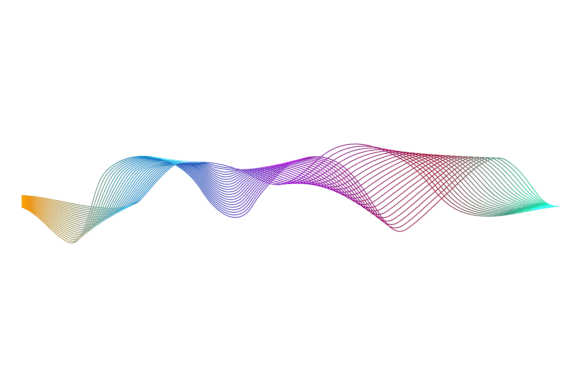
Waving Color Gradient Lines: Dynamic Abstracts for Modern Branding
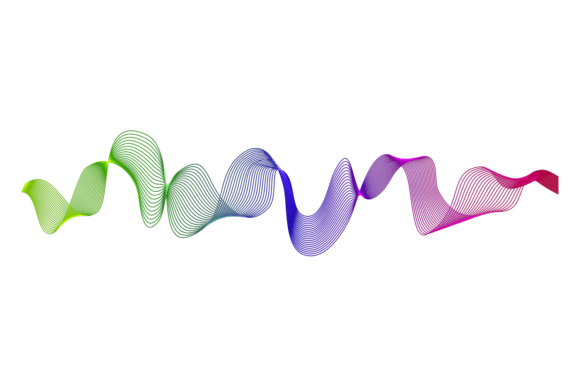
There’s a particular energy you get from Waving Color Gradient Lines. Dynamic Abs. It’s not just a font; it’s a visual metaphor for motion, fluidity, and contemporary digital culture. Imagine the sleek, undulating waves of a sound equalizer or the flowing ribbons of light in a modern data visualization. That’s the core personality here. This creative font leverages smooth gradients and rhythmic, wavy lines to create letterforms that feel alive and in constant, gentle motion. It’s a bold departure from static, rigid typography, offering instead a sense of organic flow and technological sophistication. For designers and creators tired of flat, uninspired text, this typeface provides an immediate injection of dynamic visual interest.
Understanding the Visual Language
The appeal of Waving Color Gradient Lines. Dynamic Abs lies in its unique construction. Each character is formed not by solid strokes, but by layered, flowing lines that often feature subtle color transitions. This creates a mesmerizing depth and a sense of three-dimensionality, even when isolated on a simple white background. The style sits at the intersection of modern graphic design and abstract art. It’s a display font through and through, meaning it’s engineered for impact in headlines, logos, and short bursts of text rather than long-form body copy. Its personality is futuristic, energetic, and slightly avant-garde, making it a perfect match for projects that aim to feel innovative, tech-forward, or creatively charged.
Think about the brands and projects that thrive on a sense of movement. Tech startups launching new apps, music festivals promoting their lineup, fitness brands showcasing energy, or creative agencies announcing their latest project—this is where Waving Color Gradient Lines truly shines. It’s a font that doesn’t just convey a word; it conveys an experience. The visual style suggests innovation, connectivity, and a break from tradition. When used in logo design, it can instantly position a brand as cutting-edge. In social media graphics, it stops the scroll with its hypnotic, animated quality, even in a static image. The transparent PNG versions are particularly valuable for designers, as they allow these flowing elements to be layered over photos, videos, or complex backgrounds without a cumbersome boxy outline, integrating seamlessly into any composition.
Strategic Applications Across Media
Choosing a premium font like this is about strategic alignment. Its strengths are most apparent in specific contexts. For web design, it can be a stunning hero text element on a landing page, immediately setting a tone of modernity. Paired with a clean, neutral sans serif font for body text, it creates a compelling visual hierarchy that guides the user’s eye. In editorial design, such as for a magazine cover or a feature article on digital art, it can make a powerful statement. The key is to let it command attention without overwhelming the overall layout.
For packaging design, especially for products in the cosmetics, electronics, or lifestyle sectors, this font can elevate a product’s shelf appeal. It suggests a premium, well-designed product inside. The flowing lines can be mirrored in the packaging’s physical design, creating a cohesive brand identity. Marketers will find it invaluable for social media graphics and digital advertising. A static post using Waving Color Gradient Lines can feel more dynamic and engaging than one using a standard typeface, potentially increasing dwell time and interaction. For entrepreneurs and small business owners, it’s a design asset that can help a newer brand appear more established and visually sophisticated, competing with larger players on an aesthetic level.
Practical Implementation and Pairing
Using such a distinctive creative font effectively requires a thoughtful approach. First, consider readability. Its intricate design means it should be used sparingly—typically for headlines, logos, or single words. Never set a paragraph in this font. Second, master the art of font pairing. The wavy, gradient nature of this typeface demands a calm, stable companion. A geometric sans serif font (like Montserrat or Poppins) or a classic serif font (like Lora or Playfair Display) provides an excellent counterbalance, ensuring your design remains legible and professionally grounded. The contrast creates visual interest while maintaining clarity.
When evaluating project fit, ask: Does my brand or project’s message align with motion, innovation, and energy? If you’re a blogger writing about traditional craftsmanship, this might not be the right choice. But if you’re a content creator in the tech or design space, it could be perfect. Always test the font in context. View it on different screens and, if for print, get a sample printed. The way the gradients render can vary. Review the included styles and glyphs—does it offer the symbols and characters you need? Finally, for any commercial project, ensure you have the correct commercial licensing. Using a font without the proper license can lead to legal and financial issues down the line. A legitimate license is a small investment for the professionalism and legal peace of mind it provides, solidifying your brand’s foundation and allowing you to use these striking assets with confidence.