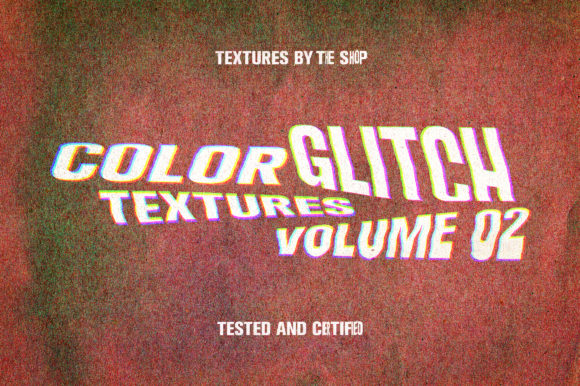
Color Glitch Textures Volume 02: A New Frontier for Digital Art
Every so often, a set of design assets comes along that doesn't just add to your toolkit—it expands your creative vocabulary. Color Glitch Textures Volume 02 is precisely that kind of asset. This collection represents the beautiful, unpredictable results of a digital process gone slightly awry, offering a unique resource for designers, artists, and creators looking to inject authentic, analog-inspired character into their work. If you're tired of sterile, perfect digital backgrounds, this volume is your antidote.
Understanding the Aesthetic: More Than Just a Background
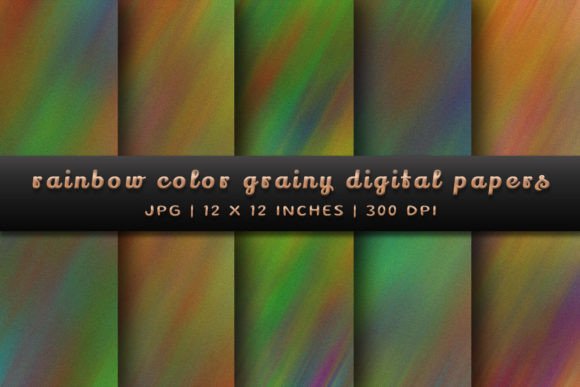
What makes these textures special isn't just their visual appeal, but their origin story. Unlike Volume 01, which used laser printouts as its source, Color Glitch Textures Volume 02 is built from old, discolored sheets of card stock. The scanning software's algorithmic "improvements" interacted with this worn, fibrous material in a fascinating way. The result is a series of textures where you can almost feel the physical grain of the paper beneath layers of digital color distortion. The colors are over-saturated, sometimes clashing in unexpected yet compelling ways, and filled with artifacts that tell a story of process and material.
This isn't a collection of clean, geometric patterns. It's a library of happy accidents. Each of the thirty-eight textures is a unique moment captured. Some share a common base, but the glitch process produced different enough outcomes to stand on their own. This gives you incredible variety within a cohesive visual language. The personality of these assets is raw, energetic, and slightly nostalgic, perfect for projects that need a touch of grit and authenticity. They serve as excellent starting points for backgrounds or can be layered to add a subtle, grainy texture to otherwise flat areas of color, breaking up digital uniformity.
Practical Applications: Where Glitch Meets the Grid
The true value of a premium asset like this lies in its versatility. For web design, these textures can transform a bland hero section into an engaging visual experience. Use them as subtle overlays behind text in a portfolio site to create depth, or as the foundation for a full-screen background on a music festival landing page. The inherent grain and color shifts ensure your site won't feel like a generic template.
In the realm of brand identity and logo design, discretion is key. A texture from this collection could be used sparingly within a logo's background fill or as a distressed effect on packaging design to convey a handmade, artisanal quality. For editorial design, imagine these as the background for a bold magazine pull-quote or as the textured surface for chapter title pages, adding a tactile feel to the reading experience. Social media graphics and content creation benefit immensely; a glitch texture can make a static post feel dynamic and a video thumbnail instantly more clickable.
For marketers and entrepreneurs, the goal is often to stand out. Applying one of these textures to a presentation slide deck, an email newsletter header, or a product mockup can elevate the perceived professionalism and creativity of your brand. It shows an attention to detail and a willingness to embrace modern, expressive design trends. Even for personal projects—like a blog, a zine, or custom stationery—these textures provide a professional-grade tool for self-expression.
Working with the Assets: A Practical Guide
Getting the most out of Color Glitch Textures Volume 02 requires a bit of thoughtful application. First, consider your project's overall tone. These textures are bold. They work best when they complement, not compete with, your core message. Pair them with clean, readable sans serif fonts or classic serif fonts to create a balanced font pairing. A strong, simple typeface will ensure your content remains legible against the textured background.
The files are delivered as high-resolution, 18"x24" @ 300 ppi documents (7,200 x 5,400 pixels). This massive size is your friend. It allows you to crop in tightly on a specific area of interest—perhaps focusing on a particularly interesting color bleed or a cluster of fiber artifacts—without losing quality. This is especially useful for print design applications like posters, flyers, or book covers, where resolution is non-negotiable.
When testing these textures, start by applying them at a low opacity, around 10-30%, as an overlay or multiply layer. This often provides the perfect amount of texture without overwhelming your layout. From there, you can increase the intensity for more dramatic effects. Experiment with color adjustments; since the source material had a unique color profile, shifting the hue or saturation slightly in your design software can yield even more personalized results. Always test your final design across different screens and in print proofs to ensure the texture enhances the visual hierarchy and doesn't distract from key information.
Ultimately, Color Glitch Textures Volume 02 is more than a set of files; it's a catalyst for creativity. It encourages you to break away from pixel-perfect sterility and embrace the beautiful imperfections that make designs feel human, engaging, and memorable. Whether you're building a brand identity, crafting social media graphics, or designing a personal publication, these textures offer a distinctive edge that’s hard to replicate. They are a testament to the fact that sometimes, the most compelling results come from letting go of absolute control and allowing the process to surprise you.